When you think of Thailand, your mind might wander to golden temples, spicy street food, or turquoise beaches. But there is another cultural pillar that is just as vital to the Thai way of life: Nuad Thai (Traditional Thai Massage).
In 2019, this ancient practice was officially added to UNESCO’s Representative List of the Intangible Cultural Heritage of Humanity. But what makes “Nuad Thai” more than just a spa treatment? Let’s dive into the history, the science, and the soul behind this world-renowned healing art.
The Art of Nuad Thai: Why This Ancient Healing Is a UNESCO World Treasure
When you think of Thailand, your mind might wander to golden temples, spicy street food, or turquoise beaches. But there is another cultural pillar that is just as vital to the Thai way of life: Nuad Thai (Traditional Thai Massage).
In 2019, this ancient practice was officially added to UNESCO’s Representative List of the Intangible Cultural Heritage of Humanity. But what makes “Nuad Thai” more than just a spa treatment? Let’s dive into the history, the science, and the soul behind this world-renowned healing art.
More Than a Massage: A Holistic Science
Unlike Western-style massages that often focus on oils and localized muscle kneading, Nuad Thai is a dry massage (no oil) that involves the entire body. It is often described as “lazy yoga” because the therapist moves your body into various stretches.
The practice is rooted in the concept of “Sen” (Energy Lines). Practitioners believe that the body is crisscrossed by 72,000 energy lines. By applying pressure to specific points along these lines, a therapist can help unblock energy, improve blood circulation, and restore balance to the body and mind.
Why UNESCO Recognized Nuad Thai
UNESCO doesn’t just recognize “things”; they recognize “living traditions.” Nuad Thai earned its spot for several reasons:
- Ancient Roots: Its origins trace back over 2,500 years, with roots in Indian Ayurvedic medicine and traditional Chinese medicine.
- A Community Tradition: For centuries, it was a form of community healthcare. In the past, every village had “healers” whom neighbors would visit for physical ailments.
- Preservation of Knowledge: The knowledge is passed down through generations. The epicenter of this knowledge is Wat Pho (The Temple of the Reclining Buddha) in Bangkok, which is considered the first public university in Thailand.
What to Expect During Your First Session
If you’ve never had a traditional Thai massage, prepare for a unique experience:
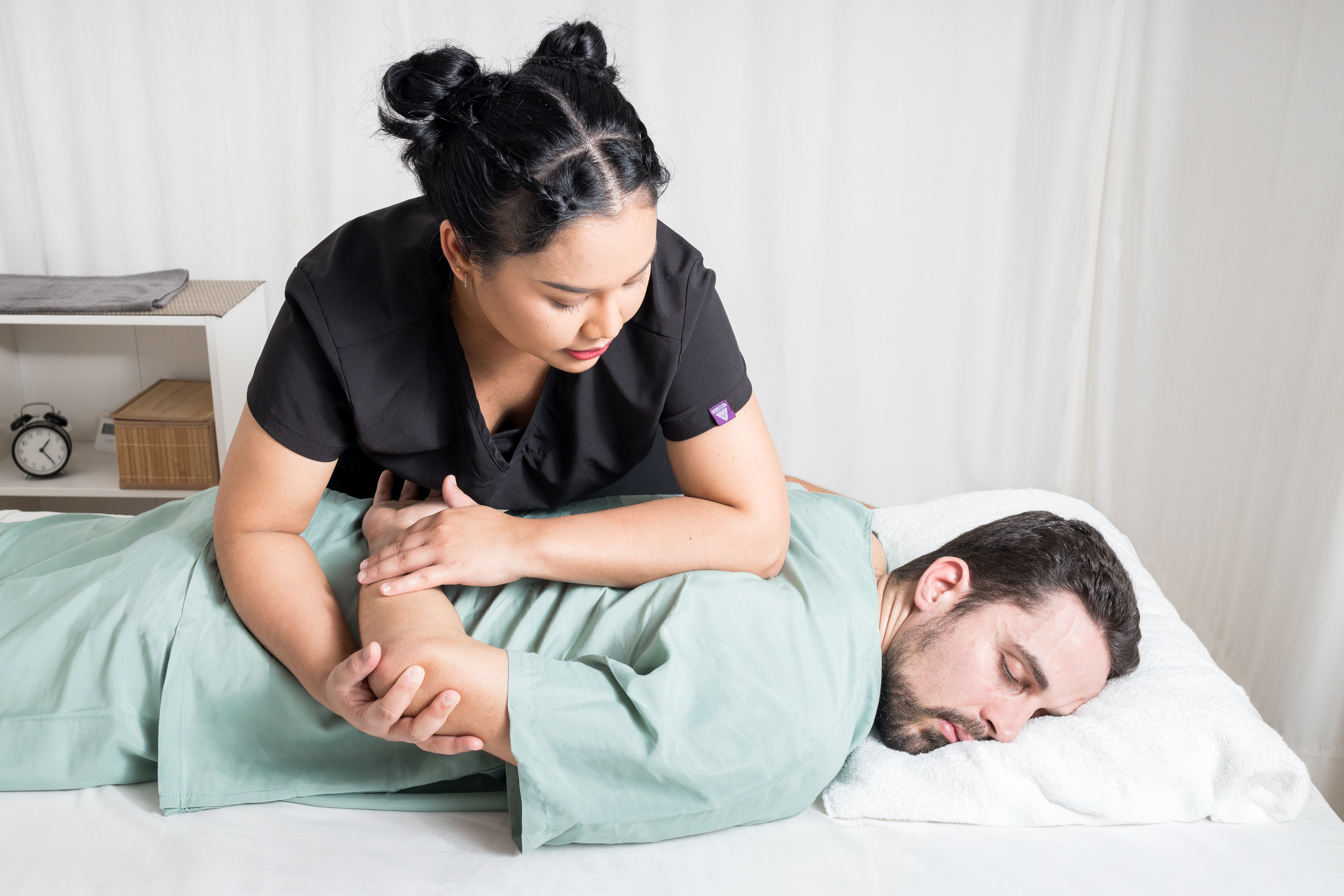
- The Outfit: You’ll be given loose-fitting, comfortable cotton clothes to wear.
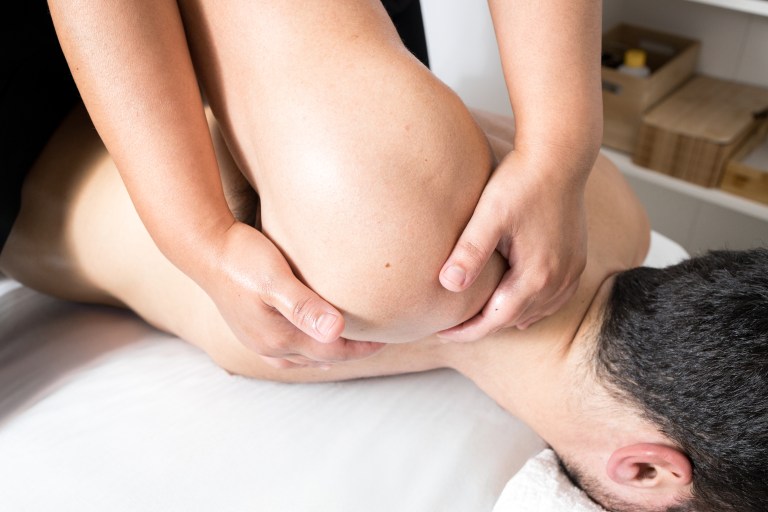
- The Technique: Your therapist will use not just their hands, but also their elbows, knees, and feet to apply deep pressure and perform rhythmic stretches.
- The Sensation: Some parts may feel intense or “good sore,” but the end result is a profound sense of lightness and increased range of motion.
The Benefits of Nuad Thai
Beyond relaxation, the benefits of this UNESCO-listed heritage include:
- Increased Flexibility: The yoga-like stretches improve joint mobility.
- Stress Relief: The rhythmic pressure helps calm the nervous system.
- Pain Management: Particularly effective for back pain, tension headaches, and stiff necks.
- Boosted Circulation: The pressure-point work helps move blood and lymph throughout the body.
Conclusion
Nuad Thai is a living testament to Thailand’s history and its deep understanding of the human body. It is not just a luxury; it is a form of preventative medicine and a cultural gift that has stood the test of time.
Next time you are in Thailand, remember that you aren’t just getting a massage—you are participating in a centuries-old tradition that the world has agreed is worth protecting